Ribbon Fabrics and the Scissors That Cut Them
- Author: Ceremonial Scissors Guide Editorial Team
- Published on
- Category: Ribbon
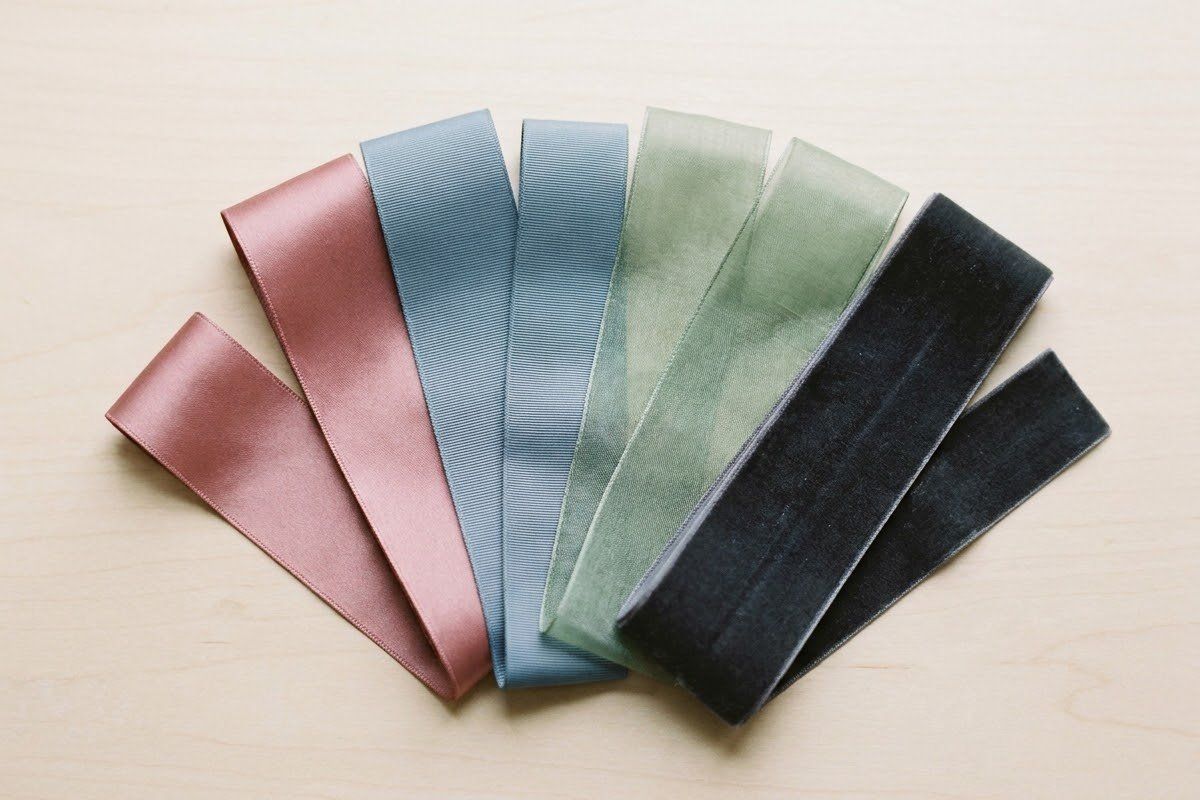
Ribbon fabric decides whether scissors cut cleanly or chew and slide. Firm, tightly woven ribbons such as grosgrain and many satins cut cleanly with sharp blades under light tension, while sheer, stretchy, velvet or wired ribbons slip, bunch or resist. Match the fabric to the blades and make a test cut with the actual pair beforehand.
Part of our guide: Ribbon for a Ribbon Cutting: Width, Length, Material and Color
Ribbon fabric is the biggest factor in whether ceremonial scissors cut cleanly. This page covers how common ribbon fabrics behave and which blades cope with them. It is a supporting guide to ribbon for a ribbon cutting, and the behaviours below are general tendencies, not test results: weaves, widths and blade condition all change the outcome.
Fabric table
| Fabric | Fray | Stretch | Slip | Notes |
|---|---|---|---|---|
| Satin | Moderate | Low | High if slack | Glossy; needs light tension |
| Grosgrain | Low to moderate | Low | Low | Ribbed and firm; often cuts cleanly |
| Organza | Moderate | Low | High | Sheer and light; can float away from blades |
| Velvet | Low | Low to moderate | Moderate | Thick pile can bunch at the pivot |
| Wired edge | Low | Low | Low | The wire resists blades; see below |
| Paper or paper-like | Low | None | Low | Can tear instead of cut |
Fray, stretch and slip
Fray is loose threads at a cut edge; stretch is a ribbon pulling longer before it parts; slip is the ribbon moving along the blade instead of being cut. Slip is the one that ruins a ceremonial cut. It is worst when the ribbon is slack, the blades are dull or the pivot is loose.
Which blades cope with which fabric
Sharp, well-aligned blades that meet along their whole length cope with most woven fabrics. Dull, wide-gapped or loose blades struggle with satin and organza. Wired ribbon and stiff paper-like ribbon ask more of the blades than many ceremonial pairs are made for, and a pair with purely decorative blades may not cut at all; see ceremonial scissors explained. Safe handling while cutting is in cutting ribbon with scissors.
Pre-cut or notched ribbon
A ribbon with a small nick or a partial cut at the point where the blades will meet reduces the force needed. It is a common way to make sure the cut happens on the day. Ask the ribbon seller whether notching is possible, and make sure the notch is hidden by a bow or the hands holding the ribbon.
Test before the day
- Cut a spare length of the same ribbon at the same width.
- Hold it with the tension it will have on the day.
- Use the actual scissors, not another pair.
- Note whether one stroke was enough and whether the edge frayed.
- If it slips, change the fabric before changing the blades.
For colour choices see ribbon colors, and for the bigger picture see the scissors types and sizes.
Questions to ask the ribbon seller
Which fabric is it, and is the edge cut or sealed? Is there any wire in the edge? Will it fray when cut? Can you send a short sample? A real sample you can cut with your own pair is worth more than any description.
People also ask
Does satin ribbon cut easily?
Usually yes, if the blades are sharp and the ribbon is held under light tension. Satin is smooth and tightly woven, so it can also slip along the blade if it hangs slack or the edges are dull. Hold the ribbon taut and make one confident closing motion, and test a spare length with the same scissors first.
Why does ribbon slide away from the blade?
Smooth or slack ribbon slides toward the tips instead of staying in the throat of the scissors, especially with dull or widely spaced blades. Adding light tension, choosing a firmer fabric, or holding the ribbon so it meets the blades near the pivot all help. A test cut will show quickly whether the pair needs a different ribbon.
Can wired ribbon be cut with ceremonial scissors?
Sometimes, but it is a poor match for many pairs. The thin wire edge resists the blades and can bend or nick them, and ceremonial scissors are often not built for cutting metal. If you want a stiff, shaped look, check with the maker of your scissors, or choose a ribbon without wire and add shape with a bow.
Should I test cut a ribbon first?
Yes. A test cut with the actual scissors and a spare length of the same ribbon is the single most useful step, because the fabric, width and blade condition interact in ways no chart predicts. Test at the same tension the ribbon will have on the day, and note whether you needed more than one stroke.
How do I keep a ribbon edge from fraying?
Most woven ribbons fray a little when cut, which is normal for a ceremonial cut. If you want to keep the ribbon afterwards, a clean cut with sharp blades frays least, and an angled or notched end can be finished by hand. Do not try to seal an edge with heat unless the ribbon maker says that fabric allows it.
Further reading
Worth reading next
- Ribbon for a Ribbon Cutting: Width, Length, Material and Color
How to choose ribbon for a ribbon cutting: width, length, fabric, colour and pre-tied versus single-piece ribbons, and how to match it to your scissors.
- Bows for a Ribbon Cutting: Size, Style and Attachment
How to choose and attach a bow for a ribbon cutting: whether you need one, bow size against ribbon width, pre-made or hand-tied, and where to cut.
- Ribbon Colors for a Ribbon Cutting: Red and Other Choices
Which ribbon colour to use for a ribbon cutting: why red is a common choice, how to pick for contrast and photos, and when brand or team colours work.