Ribbon Cutting Scissors Safety: Handling, Children and Stage Rules
- Author: Ceremonial Scissors Guide Editorial Team
- Review by Ceremonial Scissors Guide Editorial Team
- Last checked
- Published on
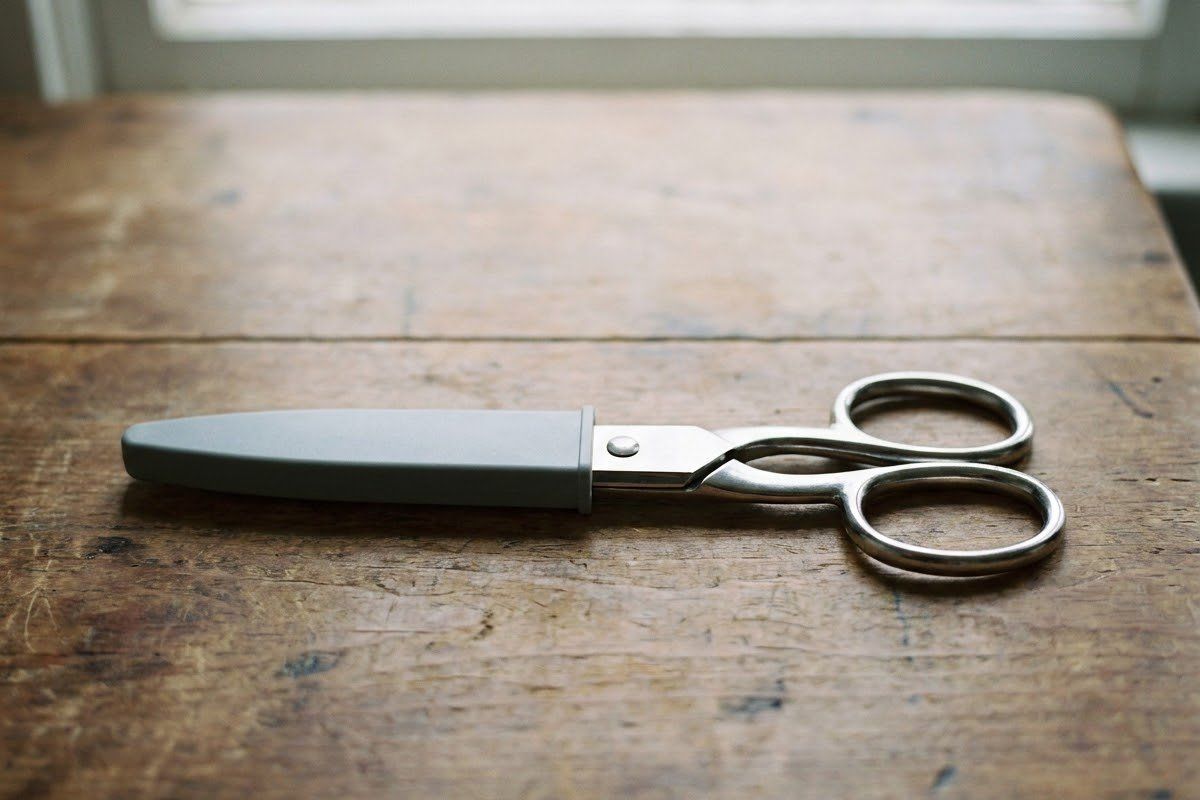
Large ceremonial scissors can injure people if they are sharp, heavy, loose at the hinge or handled carelessly. Inspect the pair before the event, keep blades covered until use, pass them closed and handle first, keep children away unless an adult controls them, and use a prop instead when you cannot manage the risk.
General information, reviewed by the editorial desk against the cited sources. No licence or credential is claimed. Follow the maker’s instructions and your venue’s rules.
Large scissors are tools with weight and, often, real edges. This page is the safety guide for the ceremonial scissors overview cluster. It covers objects and handling only; the event programme belongs to the organizer.
Why safety matters with big blades
OSHA says that even simple hand tools can cause severe injuries when used or maintained improperly. Ceremonial scissors add weight, an awkward balance and an audience, so the risk is about control. Stop and use a prop if you cannot make the pair safe. See giant prop scissors.
Before the event: inspect, guard, check the hinge
- Open and close the pair slowly, away from people.
- Check the hinge, rivet or screw for play.
- Look for chips, cracks or loose parts on handles.
- Confirm whether the blades are sharp.
- Fit a guard or case until use.
Passing, holding and posing
Pass the pair closed and handle first. Keep blades pointed down and away from others. Two-person pairs need a call-and-answer so both know when to close. Keep the area around the ribbon clear of loose items and people. Size matters for control; see the size by distance.
Children and ceremonial scissors
CPSC’s sharp-point rule in 16 CFR 1500.48 applies to articles intended for children under 8, and the section does not mention scissors, so it gives no assurance about a ceremonial pair. Treat the pair as adult equipment: an adult holds the handle with the child, or a child uses a prop. Never leave scissors unattended within reach.
Transport and storage basics
Cover blades in a case or wrap. TSA says sharp objects in checked baggage should be sheathed or securely wrapped, and that scissors in carry-on need blades under 4 inches from the pivot. See caring for ceremonial scissors.
If a blade, rivet or hinge fails
Stop using the pair, close and cover it, keep people clear and tell the owner. Do not repair a pair unless the maker’s instructions say how. If anyone is cut, follow your venue’s first-aid arrangements and call emergency services for serious injury.
When to use a prop instead
Use a prop when the pair is unsafe, unknown, too large for the people involved or when children will hold it. A clean, well-tested cut is covered in cutting ribbon with scissors, and giant pairs covers size and weight.
A short pre-event safety checklist
- Name one person responsible for the scissors from the case to the cut and back.
- Inspect the pair in good light and look at the hinge before anyone else touches it.
- Decide in advance whether the blades are real or decorative, and tell everyone who will hold it.
- Keep the blade guard on until the moment of use and refit it straight after.
- Clear a route and a space around the ribbon, and keep children and pets outside it.
- Have a backup ready, so nobody feels pressed to use a pair that seems wrong.
Common mistakes
- Handing over open scissors, or passing them blade first.
- Letting someone lift a heavy pair alone because it looks easy.
- Posing with the pair raised near faces or at head height.
- Forgetting the blades are sharp because the pair is decorative.
- Carrying on with a loose pivot because the audience is waiting.
Questions to ask the maker or lender
Are the blades sharp? What should I check before use? How should the pair be held and passed? Who do I tell if it fails? If a source cannot answer these plainly, treat that as a sign to use a prop.
All Handling Safety guides
- Caring for Ceremonial Scissors: Cleaning, Storage and Transport
How to clean, store and transport ceremonial scissors: finish-by-finish cleaning, rust prevention, cases and guards, TSA carry rules and USPS size limits.
- Cutting Ribbon with Scissors: Which Pair and How to Get a Clean Cut
How to cut ribbon with scissors, ceremonial or everyday: which pair suits each fabric, tension and blade angle, why blades fail to cut, and safe handling.
People also ask
Are ceremonial scissors sharp?
It depends on the pair. Some are fully functional cutting tools with sharp edges, while others are decorative and barely cut at all. Do not assume a pair is safe because it looks like a prop. Ask the maker or lender whether the blades are sharp, and treat any real blade as capable of causing injury.
Can children hold giant ceremonial scissors?
Treat them as adult-handled equipment. Giant scissors are heavy and may have real edges, and CPSC's sharp-point rule for children's articles does not mention scissors. If a child is part of the moment, an adult should hold the handle with the child, or the child can hold a prop pair. Follow the maker's instructions and venue rules.
How should giant scissors be passed between people?
Pass them closed, handle first, with a clear verbal handover so the receiver has a firm grip before the passer lets go. Do not toss them, carry them blades up at head height or hand them over while someone else is crossing in front. Plan the route from the case to the ribbon beforehand.
Should blades be covered between uses?
Yes. A case, sleeve or blade guard keeps people from touching the edges and protects the finish. TSA's guidance for checked baggage, that sharp objects be sheathed or securely wrapped, is a useful standard for any transport. Uncover only when the pair is about to be used and recover immediately afterwards.
What should I do if a hinge or rivet is loose?
Do not use the scissors to cut. A loose hinge or rivet can let the blades separate or swing unpredictably. Put the pair back in its case, tell the owner or maker, and switch to a spare pair or a prop. Do not tighten or repair unless the maker's instructions say how.
Further reading
Worth reading next
- Caring for Ceremonial Scissors: Cleaning, Storage and Transport
How to clean, store and transport ceremonial scissors: finish-by-finish cleaning, rust prevention, cases and guards, TSA carry rules and USPS size limits.
- Cutting Ribbon with Scissors: Which Pair and How to Get a Clean Cut
How to cut ribbon with scissors, ceremonial or everyday: which pair suits each fabric, tension and blade angle, why blades fail to cut, and safe handling.