Ceremonial Scissors Explained: What They Are and How They Work
- Author: Ceremonial Scissors Guide Editorial Team
- Published on
- Category: Scissors
Ceremonial scissors are scissors made for a ceremony, usually an opening or dedication, rather than for everyday cutting. They are typically larger and more decorative than ordinary scissors. Some have working blades and some are display pieces, so check the maker's description before you rely on one to cut a ribbon.
Part of our guide: Ribbon Cutting Scissors: Types, Sizes and How to Choose
Ceremonial scissors are the pairs set aside for the symbolic cut at an opening. If you are new to the topic, start with our ribbon cutting scissors guide; this page explains only what makes a pair ceremonial and how it works.
What makes scissors ceremonial?
A dictionary entry for ceremonial reads “used in or in connection with ceremonies.” That is a statement of purpose, not construction. A ceremonial pair is any pair chosen for a ceremony. In practice that usually means a larger, more decorated pair that is easy to see and photograph, often with a ribbon or presentation box.
Cutting blades versus display blades
Blade type is the practical difference between ceremonial pairs:
- Cutting blades are meant to cut ribbon.
- Display blades are for show and may not cut at all.
Makers do not agree on terms, so read the description and look for a plain statement. If it is missing, ask. Our guide on cutting ribbon with scissors covers tension and backups.
Common parts and features
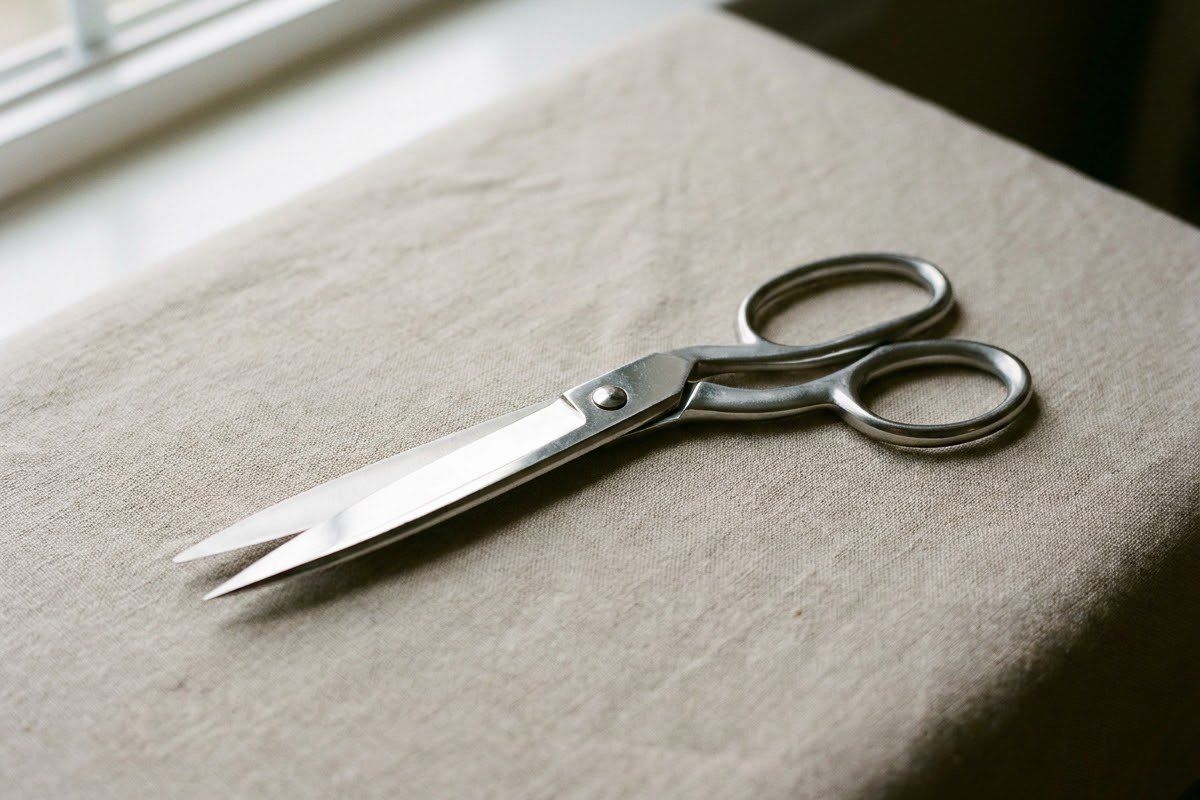
Like any scissors, a ceremonial pair has two blades, a pivot where they join, and two handles. Large pairs may add a decorative finish, a name plate, a stand or a case. A pivot that is firm matters most: a loose pivot makes a large pair wobble when lifted.
Ceremonial scissors versus ordinary scissors
Ordinary scissors are designed around the hand and the material. Ceremonial scissors are designed around the audience. The difference shows up in size, weight, finish and how well the pair cuts. Many events use a ceremonial pair for the photo and keep ordinary scissors nearby to finish the cut.
Sizes and materials in brief
Sizes run from slightly oversized to giant, and materials run from steel to plated metal, wood and plastic. Details are on how big giant scissors are and what ceremonial scissors are made of. If a name or logo is wanted, see engraved scissors.
Where to go next
Use the ribbon cutting scissors guide to choose a size, and see giant and big scissors for the wider meaning of big, and remember OSHA’s point that hand tools can cause severe injuries when used or maintained improperly: carry and store the pair with the blades closed.
Choosing between a cutting pair and a display pair
Decide first whether the pair must cut. If it must, test it with your ribbon. If it need not, treat it as a display piece and plan a backup method for the cut. Neither is better in general; the mistake is to assume without checking. Write your decision in one line and give it to anyone who lends, sells or hires you the pair.
Common mistakes
- Assuming that a larger pair cuts better than a smaller one.
- Judging by a photograph, with no information about the blade edge or the pivot.
- Skipping a test cut because the pair arrived the day before the event.
- Carrying the pair open, or by the blades, because it looks like a trophy.
Questions to ask the maker or lender
Does this pair cut, and how has it been tested? What are the blades made of? Is the pivot adjustable? What does it weigh, and does it need two people? Keep the answers with the case so the next person to handle it has them.
General information only. Follow the maker’s instructions and your venue’s rules.
People also ask
What are ceremonial scissors?
Ceremonial scissors are scissors made for use in a ceremony, most often the ribbon cutting at an opening or dedication. A dictionary defines ceremonial as used in or in connection with ceremonies. In practice that means a pair chosen for how it looks and how well it can be seen, often larger and more decorated than ordinary scissors.
Do ceremonial scissors cut?
Some do. Makers offer pairs with working blades and pairs with display blades that are not meant to cut. Large handles and long blades can also make the cut less crisp even when the blades are sharp. Check the description, test a short length of your ribbon beforehand and keep an ordinary pair ready as a backup.
Why are ribbon cutting scissors so big?
They are large so a crowd can see the cut and a camera can capture it. A small pair disappears at a distance, while an oversized pair reads clearly. The size is for visibility and effect, not for cutting power, which is why many ceremonial pairs are impressive to look at but awkward to cut with.
How are ceremonial scissors different from regular scissors?
Regular scissors are built for repeated, comfortable cutting. Ceremonial scissors are built for display and a symbolic cut, so they are usually bigger, more decorative and sometimes heavier or duller. Both have two blades joined at a pivot, but the design priorities differ: handling and cutting for one, looks and visibility for the other.
Can ceremonial scissors be engraved?
Many makers offer engraving or custom plates, but options and limits differ by pair and finish. Check what can be engraved, how long it takes and whether engraving changes the blades or the finish. Our page on custom and engraved scissors explains the questions to ask before you order.
Further reading
- Dictionary.com: ceremonial (dictionary.com)
- Dictionary.com: scissors (dictionary.com)
- OSHA: Hand and Power Tools (osha.gov)
Worth reading next
- Ribbon Cutting Scissors: Types, Sizes and How to Choose
What ribbon cutting scissors are, how standard, large and giant sizes differ, which blades really cut, and how to choose a pair for your opening.
- What Ceremonial Scissors Are Made Of: Metal, Plated, Wood and Plastic
Metal, plated, wood and plastic ceremonial scissors compared, what gold plated and gold finish mean, and which material fits which event.
- Giant Ribbon Cutting Scissors: How Big Is Big?
How big giant ribbon cutting scissors are, why big, large and huge mean the same thing, and how to match size to viewing distance, weight and handling.
- Giant and Big Scissors: Types, Sizes and What Each Is For
Giant and big scissors can mean ceremonial pairs, props, craft pieces or heavy shears. Learn the types, how to tell them apart and what each is for.
- Giant Prop Scissors: Props Versus Real Ceremonial Scissors
What giant prop scissors are, how foam, cardboard, plastic and wood props differ from real ceremonial scissors, and when a prop is fine for an event.
- Grand Opening Scissors: Choosing for a Business Opening
How to choose grand opening scissors for a shop, office or restaurant: size for the crowd, indoor or outdoor use, ribbon pairing and an items checklist.